

school security

Why School Security Requires a Proactive Approach

Every school has the same primary mission: providing a safe environment where students can learn, grow, and succeed.

While educators focus on academics and student development, school leaders must also consider the broader responsibility of maintaining a secure campus. Security is not simply about responding to emergencies. It is about creating an environment where students, faculty, staff, and visitors feel protected every day.

The most effective school security programs are proactive rather than reactive.

Security Is About Prevention

One of the most common misconceptions about school security is that it only becomes important after an incident occurs.

In reality, successful security programs focus on prevention. Visible security measures, controlled access points, trained personnel, and established procedures can help reduce risks before they develop into larger problems.

A proactive approach allows schools to identify vulnerabilities, strengthen procedures, and improve overall preparedness while maintaining a positive educational environment.

Today’s Schools Face Unique Challenges

Modern schools are more active than ever. In addition to daily classroom instruction, campuses often host:

  • Sporting events
  • Performances and assemblies
  • Parent meetings
  • After-school programs
  • Community activities
  • Summer camps and special events

With students, parents, staff, contractors, vendors, and visitors regularly entering school grounds, maintaining awareness and accountability becomes increasingly important.

A well-developed security strategy helps schools manage these activities while protecting students and staff.

Security Supports a Positive Learning Environment

When students feel safe, they are better able to focus on learning. When parents feel confident in a school’s commitment to safety, trust grows stronger. When faculty and staff know that procedures are in place and support is available, they can focus more effectively on education.

Security is not separate from a school’s mission. It supports it. The goal is not to create a restrictive environment. The goal is to create a safe, welcoming campus where learning can thrive.

Every Campus Has Different Security Needs

No two schools are exactly alike. Security planning should consider factors such as:

  • School size
  • Campus layout
  • Student population
  • Public or private access areas
  • Athletic facilities
  • Parking lots
  • Event schedules
  • After-hours activities

What works for a small private school may be very different from what is needed at a larger educational campus. This is why security planning should always be tailored to the specific needs of the school.

Important Components of School Security

An effective school security strategy often includes:

  • Visitor management procedures
  • Controlled campus access
  • Security patrols and monitoring
  • Emergency response planning
  • Incident documentation
  • Staff safety training
  • Event security planning
  • Parking lot oversight
  • Communication protocols
  • Regular security assessments

These measures work together to create a safer environment for everyone on campus.

Security Is an Ongoing Process

School security is not a one-time project. As campuses grow, programs expand, and new challenges emerge, security procedures should be reviewed and updated regularly.

Routine assessments, staff training, and professional support help ensure that schools remain prepared while continuing to provide a welcoming educational experience.

Investing in Safety Is Investing in Students

Students deserve an environment where they can focus on learning without unnecessary concerns about safety.

By taking a proactive approach to security, school leaders demonstrate their commitment to protecting students, supporting faculty, and providing peace of mind to parents and families.

Security is not simply about responding to problems. It is about creating confidence, preparedness, and a stronger educational environment for everyone involved.

Looking to Strengthen School Security?

The Finest International Private Security works with schools, churches, and organizations throughout Southern California to help create safer environments through professional security services, campus assessments, event security, and customized protection strategies.

Contact us to learn how a proactive security plan can support your school’s mission and long-term success.

Church Security-pexels-roman-odintsov-7540022

Why Every Church Should Have a Security Plan

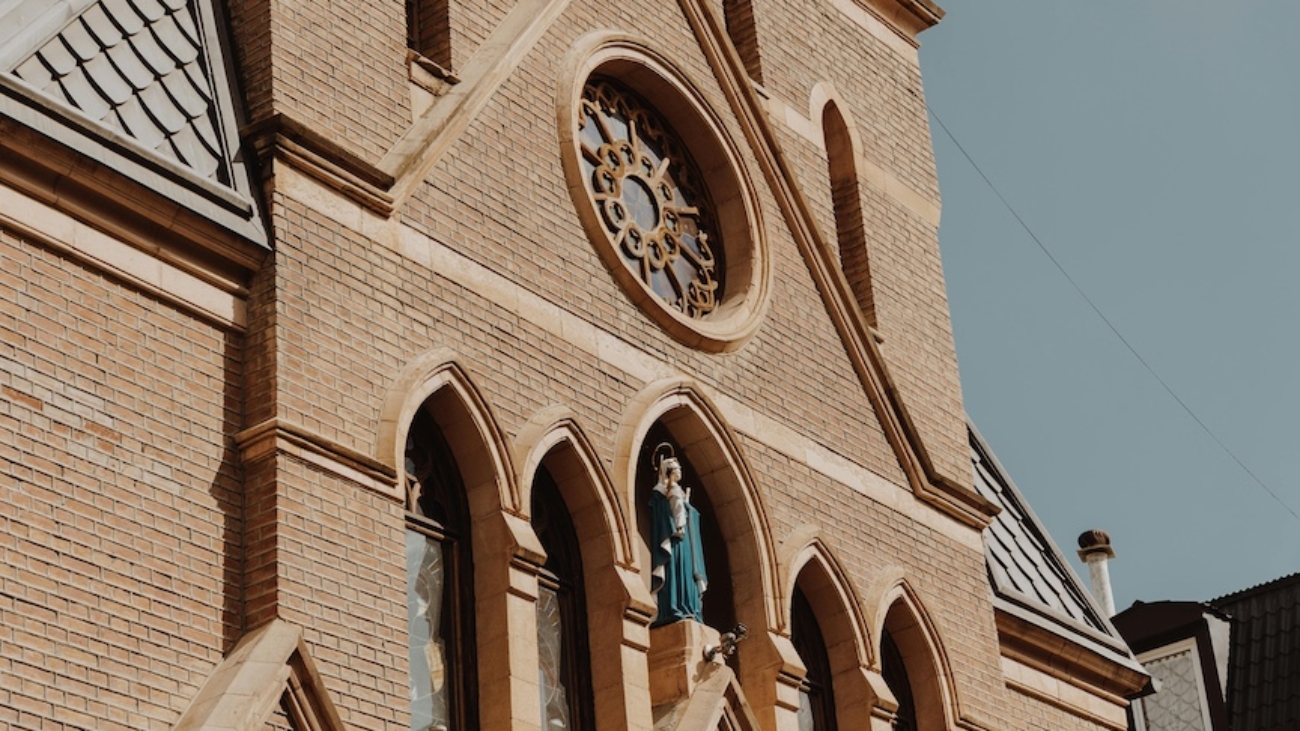
Churches are places of worship, fellowship, and community. They are designed to be welcoming environments where people gather to pray, learn, celebrate, and support one another. Yet in today’s world, even the most welcoming churches must also consider the safety and security of their congregation.

A security plan is not about creating fear. It’s about creating preparedness.

The Reality of Modern Church Security

Church campuses often host hundreds or even thousands of visitors each week. In addition to worship services, many churches operate schools, childcare programs, food distribution ministries, youth groups, counseling services, and community events.

With so many people coming and going, church leaders have a responsibility to consider how they will respond if an emergency occurs. Security concerns may include:

  • Medical emergencies
  • Unauthorized visitors
  • Property theft or vandalism
  • Parking lot incidents
  • Disturbances during services
  • Fire or evacuation situations
  • Child safety concerns
  • Large event crowd management

While most churches will never experience a major incident, having a plan in place ensures leaders are prepared if one occurs.

Prevention Is Better Than Reaction

One of the biggest misconceptions about church security is that it only matters after something happens. The opposite is true.

The most effective security strategies focus on prevention. Visible security measures, trained personnel, clear procedures, and proper communication can often prevent incidents before they develop into larger problems.

A well-prepared church sends a clear message that the safety of its congregation is taken seriously.

Every Church Is Different

A security plan for a small neighborhood church will look different than one designed for a large multi-campus congregation. Factors that influence security planning include:

  • Congregation size
  • Number of buildings
  • School or childcare operations
  • Parking lot size
  • Event frequency
  • Volunteer staffing levels
  • Community location

For this reason, security planning should be customized to the unique needs of each church rather than using a one-size-fits-all approach.

Security and Hospitality Can Coexist

Some church leaders worry that visible security measures may make visitors feel uncomfortable. In reality, the goal of church security is not to create barriers. It is to create confidence.

When security is implemented professionally, visitors often feel more comfortable knowing that the church has taken reasonable steps to protect its members, guests, volunteers, and staff.

The best security programs operate quietly in the background while preserving the welcoming atmosphere that churches strive to maintain.

Key Components of a Church Security Plan

A comprehensive church security plan may include:

  • Emergency response procedures
  • Medical response protocols
  • Child safety procedures
  • Building access control
  • Parking lot monitoring
  • Volunteer training
  • Incident reporting processes
  • Event security planning
  • Fire and evacuation procedures
  • Coordination with local emergency services

Regular review and training help ensure these plans remain effective as the church grows and changes.

Preparedness Is an Act of Stewardship

Church leaders are entrusted with the care of their congregation. Developing a security plan is one way to fulfill that responsibility. Preparedness does not mean expecting the worst. It means being ready to respond wisely should an unexpected situation arise.

By taking a proactive approach to security, churches can continue focusing on their mission while providing a safe and welcoming environment for everyone who walks through their doors.

Need Help Evaluating Your Church’s Security Preparedness?

The Finest International Private Security works with churches, schools, and organizations throughout Southern California to help create safer environments through professional security services, assessments, and customized protection plans.

Contact us to learn more about developing a security strategy tailored to your church’s unique needs.

event security services san diego1

Event Security in San Diego: When Hiring Professional Security Is the Responsible Move

The Overlooked Risk in Event Planning

When planning an event—whether it’s a private party, corporate function, or large community gathering—most of the focus goes toward logistics, experience, and presentation. Security is often an afterthought. Not because it isn’t important, but because nothing has gone wrong yet.

The reality is, larger-scale events introduce variables that are difficult to control:

  • Increased foot traffic
  • Unfamiliar attendees
  • Alcohol consumption
  • Limited oversight of entry points
  • Higher potential for liability

And this is exactly where event security services in San Diego begin to make sense; not as a reaction, but as a preventative structure.

When an Event Crosses the Line Into “Needs Security”

Not every gathering requires security. But there’s a clear tipping point where having a professional presence becomes the responsible decision. Here are a few of the most common indicators:

1. Crowd Size Increases Beyond Personal Control
Once an event moves past a small, familiar group, it becomes difficult to monitor who is coming and going—and what situations may arise.

2. Alcohol Is Involved
Even well-planned events can shift quickly when alcohol is introduced. Having trained professionals present helps de-escalate situations before they turn into incidents.

3. Open or Public Access Environments
Beach events, open venues, or loosely controlled spaces naturally invite unplanned attendance.

4. High-Profile or High-Value Settings
Corporate events, branded activations, or gatherings involving notable individuals increase both attention and risk.

5. Liability Exposure Becomes a Concern
At a certain point, it’s not just about safety; it’s about responsibility. Hosts, organizers, and property owners can be held accountable for what happens on-site.

This aligns with a broader principle: there are moments where hiring private security simply makes sense, not because something will happen, but because the cost of being unprepared is higher than the cost of being ready.

What a Professional Security Presence Actually Does

There’s a common misconception that security is only there to react to problems. In reality, their biggest value is what doesn’t happen. A structured private event security presence provides:

  • Visible deterrence that discourages unwanted behavior
  • Controlled access points to manage who enters and exits
  • Situational awareness across the entire event space
  • De-escalation of conflicts before they grow
  • Documentation of any incidents, protecting organizers

In many cases, simply having a professional presence changes the tone of the event. People behave differently when there is structure.

The Difference Between Small Events and Large-Scale Gatherings

Smaller gatherings tend to rely on familiarity and trust. Everyone knows each other, and issues are easier to manage. But as events scale, they become environments, not just gatherings. And environments require oversight.

This is where working with a professional team like The Finest International Private Security becomes less about “hiring guards” and more about implementing a system:

  • Assessing the layout of the event
  • Identifying potential vulnerabilities
  • Establishing a presence that fits the tone of the event
  • Providing coverage without disrupting the experience

Done correctly, security blends in while still maintaining authority.

Cost vs. Consequence

It’s easy to view security as an added expense in an already tight event budget. But consider the alternative:

  • Property damage
  • Guest injury
  • Escalated disputes
  • Event shutdowns
  • Legal or insurance complications

For larger-scale events, the question often isn’t “Can we afford security?”
It’s “Can we afford not to have it?”

Creating a Safe, Enjoyable Experience

The goal of security isn’t to make an event feel restricted; it’s to allow it to run smoothly. When done right:

  • Guests feel more comfortable
  • Organizers can focus on the experience
  • Potential issues are handled quietly and professionally
  • The overall tone remains positive and controlled

This is where experienced providers like The Finest International Private Security stand out—understanding how to maintain safety without interfering with the atmosphere.

Final Thought: Preparation Is Part of the Experience

Every successful event has one thing in common: preparation. Security is simply part of that preparation.

Not every event needs it, but when crowd size, environment, or liability reaches a certain level, it becomes the responsible move. And more often than not, the presence of professional security ensures that the only thing people remember about your event… is the experience itself.

If you’re planning an event in Southern California and starting to ask whether security might be necessary, that’s usually the right time to explore your options, not after something forces the decision.

apartment complex security services

HOA & Apartment Community Risk Reduction Strategies

Why Proactive Security Matters More Than Ever

For HOAs and apartment communities, safety isn’t just about reacting to incidents; it’s about preventing them before they happen. Property managers and board members carry a unique responsibility: protecting residents, reducing liability, and maintaining a sense of stability across shared living spaces.

Too often, security is only considered after a break-in, vandalism, or resident complaint. But by that point, the damage—both physical and reputational—has already been done. The smarter approach is structured, visible, and consistent prevention.

This is where apartment complex security services begin to make a measurable difference; not just in safety, but in how a community operates day to day.

The Most Common Risks in Residential Communities

HOAs and apartment complexes face a predictable set of risks, especially in high-density or high-traffic areas:

  • Unauthorized access to buildings or gated areas
  • Package theft and mailroom targeting
  • Vehicle break-ins and parking garage incidents
  • Loitering or trespassing
  • Noise complaints escalating into confrontations
  • Liability exposure due to lack of documented oversight

Individually, these may seem manageable. But collectively, they create an environment where residents feel uneasy, and where property managers are left reacting instead of leading.

The Shift from Reaction to Prevention

Professional security isn’t just about having someone on-site; it’s about creating structure.

A well-executed HOA security patrol introduces:

  • Visible deterrence that discourages unwanted behavior
  • Routine patrol patterns that eliminate blind spots
  • Detailed incident reporting that protects property management
  • Resident reassurance that someone is actively present

This kind of structure is exactly what companies like The Finest International Private Security are built around, bringing consistency, professionalism, and accountability into environments where gaps often exist.

It also reinforces a broader idea: security isn’t just a response; it’s a system. And when that system is in place, many issues never surface in the first place .

apartment complex security services

Cost vs. Consequence:
A Practical Perspective

One of the biggest misconceptions is that hiring security is an unnecessary expense. In reality, it’s often a cost-control decision. Without structured oversight, communities may face:

  • Ongoing repair costs from vandalism or damage
  • Increased insurance premiums
  • Resident turnover due to safety concerns
  • Legal exposure from undocumented incidents

Compared to these risks, apartment complex security services offer a controlled, predictable investment.

Providers like The Finest International Private Security often work with property managers to tailor coverage, whether that’s scheduled patrols, overnight presence, or targeted monitoring—so you’re not overcommitting, but you’re also not leaving gaps.

When It Actually Makes Sense to Hire Security

Not every property needs full-time coverage, but there are clear indicators that it’s time to take action:

1. Repeated Incidents
If the same issues keep happening, the property has likely been identified as an easy target.

2. High Resident Turnover or Complaints
Safety concerns are one of the fastest ways to lose long-term tenants.

3. Parking Garage or Common Area Issues
These are consistent hotspots for theft and damage.

4. Increased Delivery Volume
Package theft has become one of the most common complaints in residential communities.

5. Renovation or Construction Activity
Temporary vulnerabilities often attract unwanted attention.

In many of these cases, a flexible HOA security patrol—rather than full-time staffing—can be the right first step.

Building a Safer Community Environment

Security isn’t just about enforcement; it shapes behavior.

When residents see a consistent, professional presence:

  • They feel more comfortable using shared spaces
  • They become more aware and proactive themselves
  • Issues are reported earlier, before they escalate

This is where a company like The Finest International Private Security adds value beyond the obvious. It’s not just about coverage; it’s about creating a steady, reliable presence that becomes part of the community’s rhythm.

Final Thought: Leadership Through Prevention

HOAs and property managers are in a position to lead, not just respond. Implementing a thoughtful HOA security patrol strategy shows residents that their safety is being taken seriously—and that the community is being managed with foresight.

The goal isn’t to overreact or overspend. It’s to recognize when structure, visibility, and accountability will make a meaningful difference.

And when that moment comes, having the right partner in place—one that understands both prevention and professionalism—can quietly transform how a community feels to the people who live there.

If you’re evaluating whether your property could benefit from apartment complex security services, start by looking at patterns, not isolated incidents. The right time to act is usually just before something becomes a recurring problem, not after.